Why Australia is a Perfect Starting Point for Exploring Central America
Geographical Advantages
Proximity to Pacific Routes
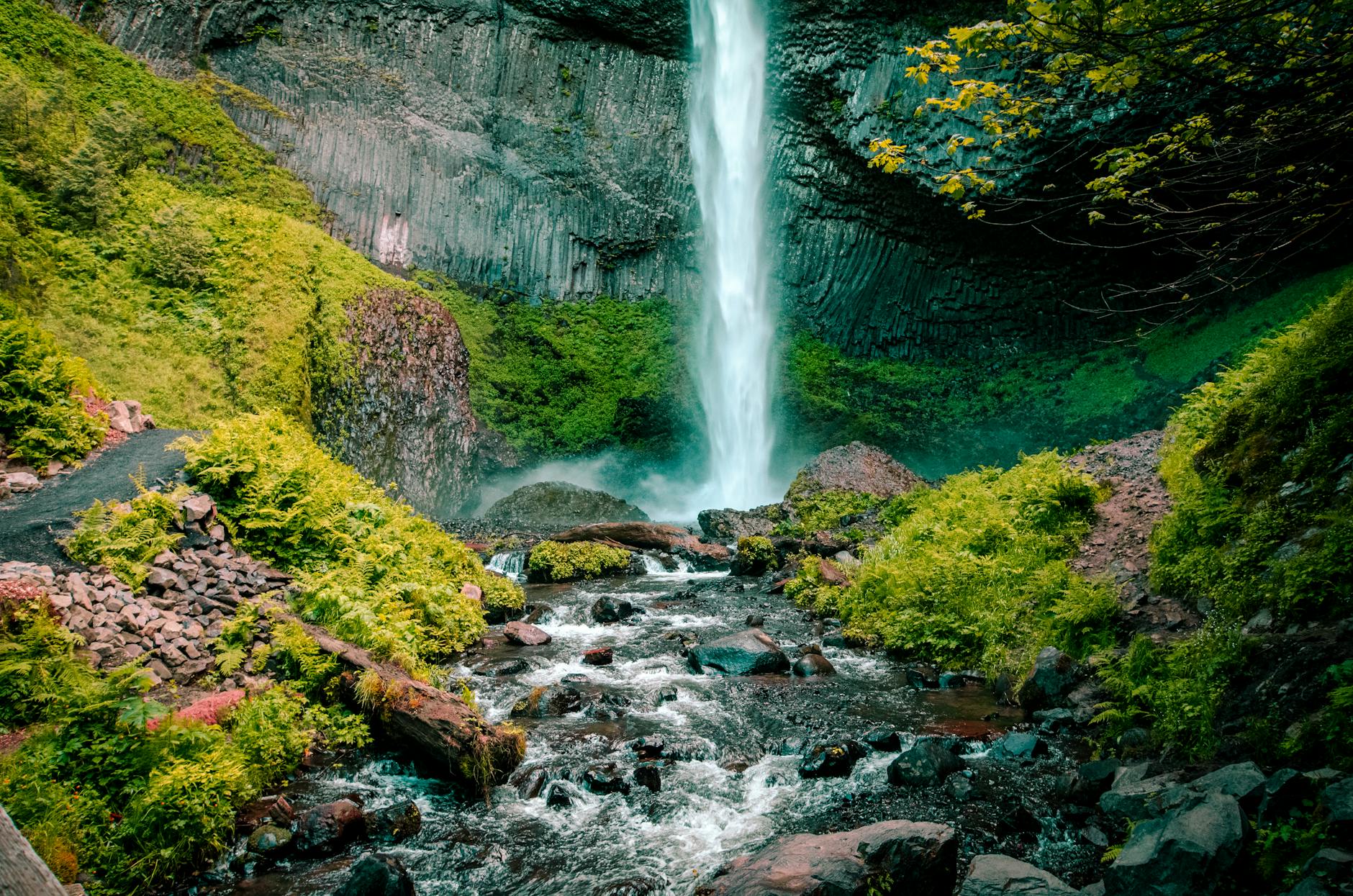
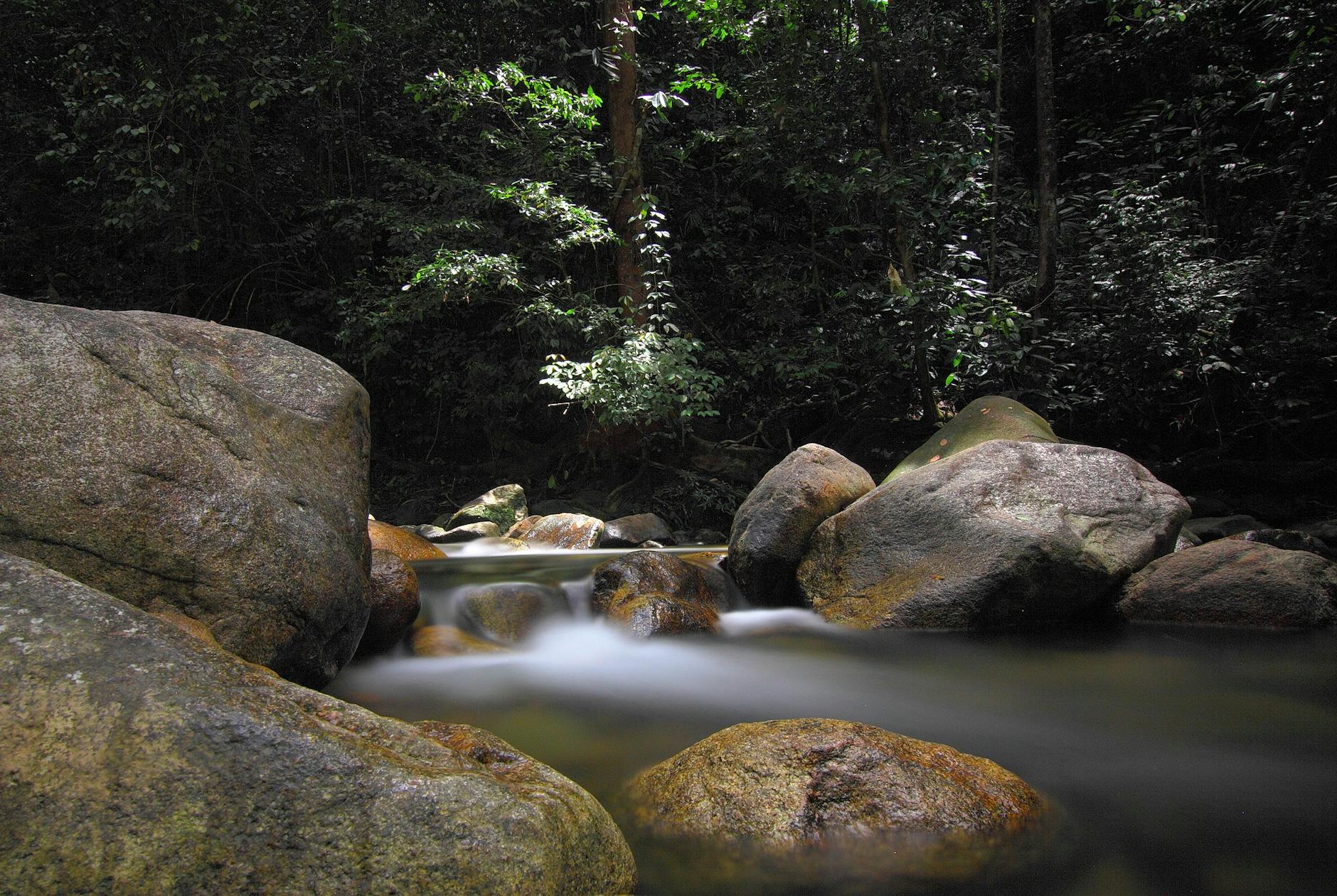
For those keen on diving into the adventures of south america travel, Australia's geographical location offers a great advantage. Its position grants easy access to major Pacific travel routes. This proximity allows for relatively quicker travel times to regions bustling with tropical rainforests, vibrant cultures, and diverse species.
Efficient Flight Connections
Australia’s airports, such as those in Melbourne, are well-connected with numerous flights heading to various destinations in Central and South America. This connectivity ensures that Aussies interested in exploring destinations like the Amazon Rainforest, a point of interest for Dylan, face minimal hassle when planning their itineraries. Efficient connections reduce layovers and journey fatigue, making the journey as enjoyable as the destination itself.
Strategic Time Zones
Moreover, Australia’s location offers strategic time zone advantages, often leading to an efficient overlap with the Americas. This is crucial for seamless travel planning and communications during your expedition across Central America. Whether communicating with tour operators who specialise in central american tours or coordinating visits to conservation sites, the time zone alignment simplifies coordination significantly.
If you're strolling through the Royal Botanic Gardens in Melbourne, perhaps it’s a good time to daydream about the rich botanical species you'll encounter on your travels abroad. The lush landscapes waiting in Central America are not only unique but play a major role in the broader ecosystem, much like our own botanical gardens at home do.
Ecotourism Opportunities
Sustainable Travel Paths
When contemplating central america tours, creating a sustainable travel path is paramount. As mindful explorers, we should tread lightly, ensuring our journeys reflect a commitment to environmental preservation. The Royal Botanic Gardens in Melbourne demonstrate how natural beauty can be both cherished and protected—a principle that should guide us when traversing the lush landscapes of Panama or the diverse ecosystems of Costa Rica.
Biodiversity Hotspots
Central America boasts an extraordinary range of biodiversity. For instance, the Galapagos Islands serve as a testament to nature's resilience and are a key component of galapagos islands tours. These islands are renowned for their unique species, many of which inspired Darwin's theories on evolution. Travelling here provides an invaluable educational experience, as students can observe conservation efforts firsthand and understand the intricate web of life that sustains these delicate environments.
Conservation Tours and Initiatives
Engaging in conservation tours offers a dual benefit: it enriches our understanding of ecological stewardship while supporting local efforts to safeguard the environment. In places like Belize, programs aim to protect coral reefs and marine life, allowing travellers to contribute positively to the region's ecological health. These initiatives often incorporate educational insights similar to those found in exhibits at the Melbourne Museum, expanding our grasp of sustainability and conservation. Through learning and participation, we can ensure our travels leave a lasting, positive impact on the regions we cherish.
Cultural Richness
Indigenous Cultural Exchanges
When exploring the cultural richness of South America, machu picchu tours offer an unparalleled opportunity to engage with the indigenous history of the region. The experiences allow travellers to immerse themselves in the Incan civilisation's legacy, reflected in the ruins and the stories told by knowledgeable local guides. The Machu Picchu ruins stand testament to the advanced engineering and spiritual significance attributed to this ancient city, providing a glimpse into a world that continues to enthrall visitors.
Festivals and Traditions
South America is a vibrant tapestry of festivals and traditions, which can be a focal point of any south america holidays. From the colourful Carnaval in Brazil to the Tapati Festival on Easter Island, each festivity showcases the area's diverse cultural expressions. These events celebrate music, dance, ritual, and costume, offering participants an insight into the communal spirit and vitality of South American life. Attending these festivals lets travellers witness the traditions passed down through generations in unique locations.
Culinary Experiences
The culinary experiences in South America are as diverse as the landscapes themselves. High school students might be intrigued to know that local cuisine can provide educational insights into a region's history and cultural influences. From Peruvian ceviche to Brazilian feijoada, these traditional dishes are infused with ingredients native to the land, offering a taste of the continent's culinary innovation. So, whether you are exploring the sights on your holiday or enjoying the Royal Botanic Gardens at home, these experiences will enrich your understanding of South America's cultural wealth.
Travel Preparation
Necessary Travel Documents
As young explorers preparing for an adventure to Central or South American tours, it's crucial to understand the importance of the necessary travel documents. A valid passport is your primary ticket to travel, and it's essential that it remains valid for at least six months beyond your return date. Depending on your destination, you may need additional documentation, such as a visa or travel permits. Always check the specific entry requirements for each country on your itinerary well in advance.
Health and Safety Tips
Ensuring good health and safety while on the road is vital for a smooth journey. Prioritize vaccinations that might be required or recommended for your travel destinations; consult with a healthcare professional to understand what you need. A robust travel insurance plan is also a must—it acts as a safety net for any health-related emergencies or unexpected situations. Be aware of any regional health guidelines or advisories and respect local customs to ensure your safety and that of the communities you visit.
Packing Essentials
When it comes to packing for international tours, being both practical and prepared is key. Here are some essentials you shouldn't leave behind:
- Weather-appropriate clothing: Research the climate of each area you plan to visit and pack accordingly.
- Reusable water bottle: You help the environment by minimizing plastic waste.
- First-aid kit: Prepare for any minor injuries or illnesses along your journey.
- Travel guides and maps: While digital devices are helpful, having a backup can be beneficial.
Being well-prepared ensures you can focus on immersing yourself in the wonders of your travels without unnecessary stress.
Tackling Common Challenges
When exploring Central America from Australia, you might encounter various challenges, but with the right preparation, you can navigate these with ease.
Overcoming Language Barriers
In many Central American countries, Spanish is the predominant language. While it may seem intimidating, mastering a few basic phrases can significantly enrich your travel experience. Simple greetings and essential expressions, such as asking for directions or ordering food, will go a long way. Consider taking a basic Spanish course at a community centre or using language apps to build your skills before departure.
Navigating Remote Areas
Central America offers some breathtaking remote landscapes, but reaching these destinations often requires careful planning. Research transportation options like local buses or domestic flights well in advance. Many regions may not have direct access via public transport, so it is beneficial to learn about car rental in Mexico and other regions. Always have a map or GPS device handy, especially when venturing into less populated areas. It's much like exploring hidden gems in the Royal Botanic Gardens, where a little direction can lead to the most rewarding discoveries.
Minimizing Environmental Impact
A primary concern when travelling is ensuring our footprints are light. When visiting Central American ecosystems, conscious efforts such as using reusable bottles, supporting eco-friendly accommodations, and respecting local ecosystems are pivotal. Engage in responsible tourism similar to the conservation initiatives often highlighted at the Melbourne Museum. By doing so, you contribute positively to preserving the beautiful and diverse environments you explore.
With these insights, you're better equipped to overcome these common travel obstacles, ensuring a smoother and more rewarding journey in Central America.